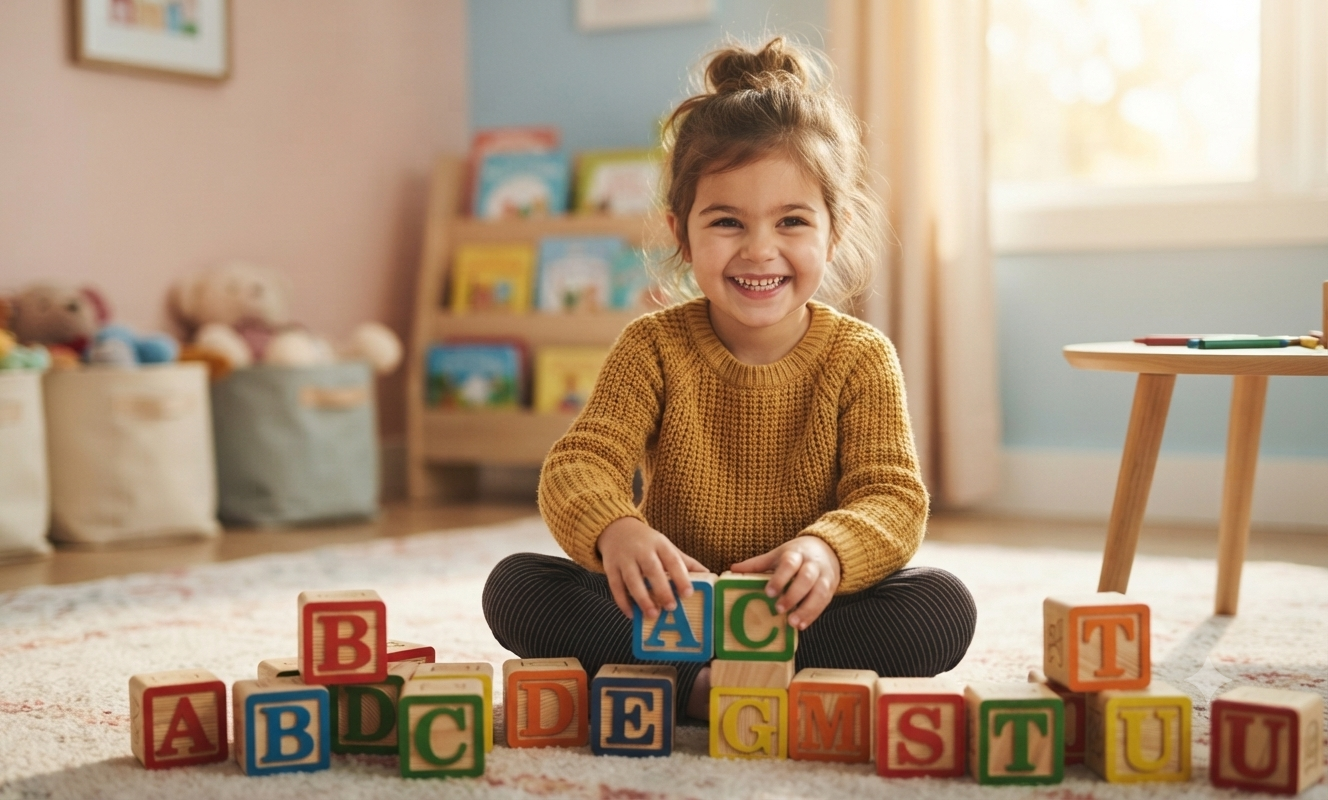
Know Your ABCs: Capital Letters A-Z!
Big letters, big first steps in reading
Capital letters are usually the very first thing children learn to recognise, thanks to their clear, distinct shapes. On this page, every letter from A to Z comes with a picture, a spoken example word, and a simple spelling — everything a child needs to connect a letter to a sound and a meaning.
How to Learn
Look at the letter
Each box shows one big capital letter with a picture.
See the words
Below it are three words that start with that letter.
Tap to hear it
Tap any word to see its picture and hear it spoken out loud.
Practice daily
A little practice every day helps all 26 letters stick.
A to Z with Example Words
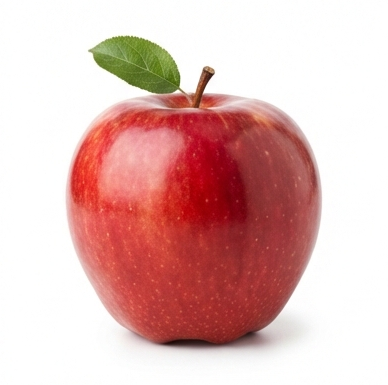 A
A
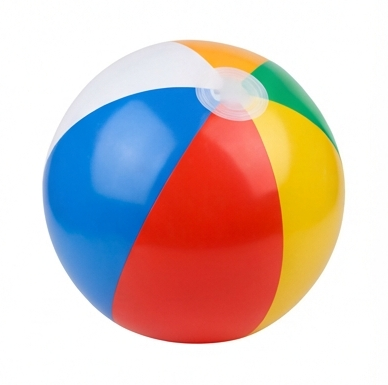 B
B
 C
C
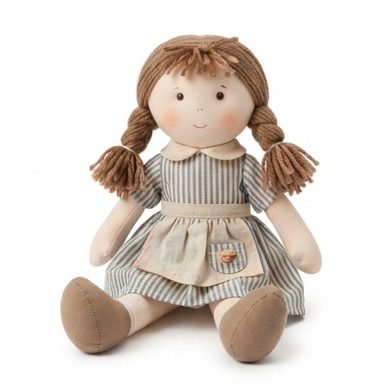 D
D
 E
E
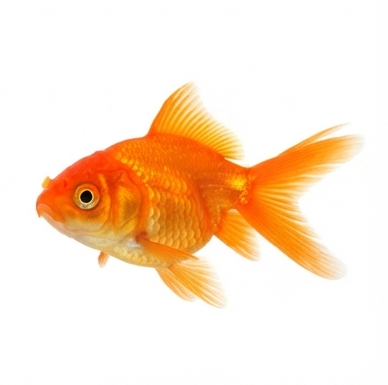 F
F
 G
G
 H
H
 I
I
 J
J
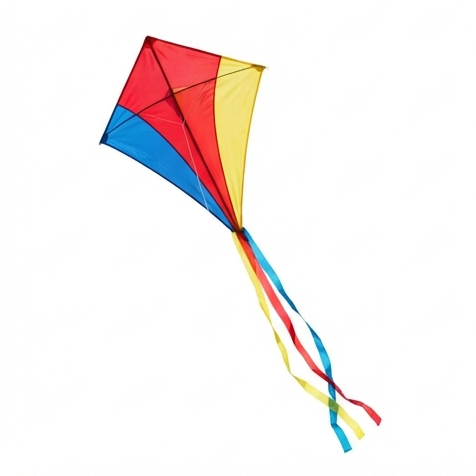 K
K
 L
L
 M
M
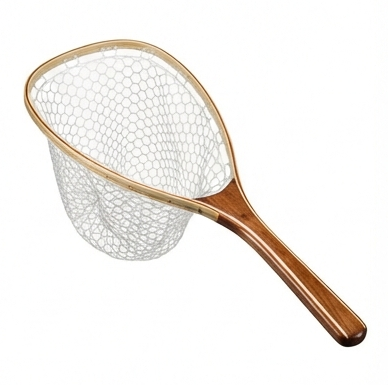 N
N
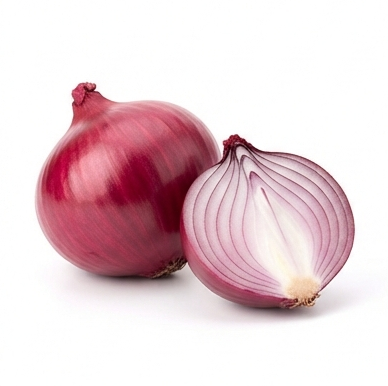 O
O
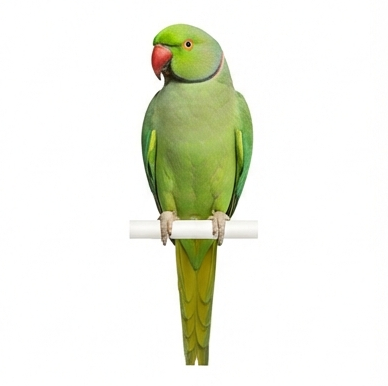 P
P
 Q
Q
 R
R
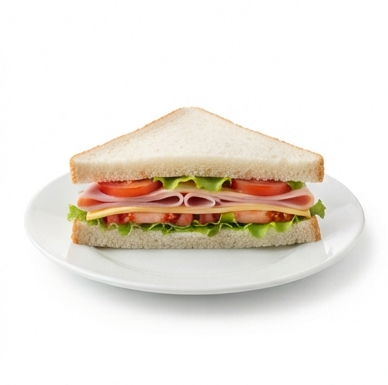 S
S
 T
T
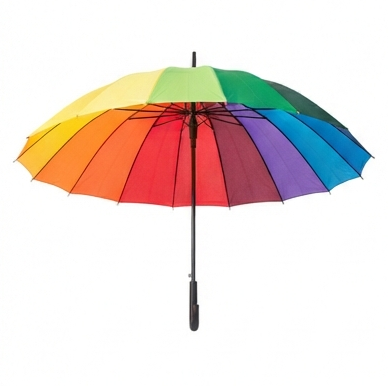 U
U
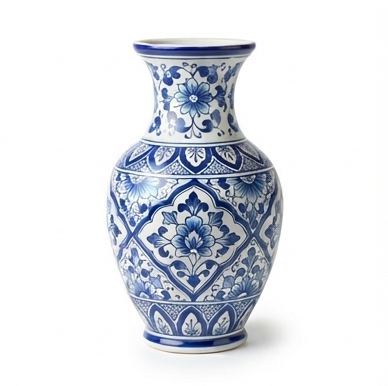 V
V
 W
W
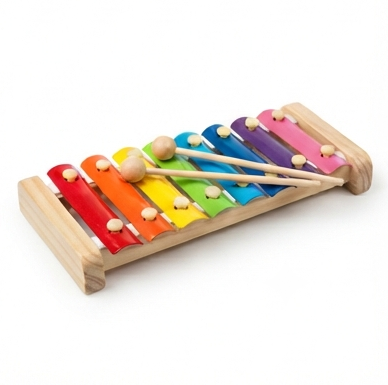 X
X
 Y
Y
 Z
Z
Learning capital letters is one of the earliest and most important steps in a child's reading journey. Capital letters have distinct, easy-to-recognise shapes, which is why they are usually introduced before lowercase letters. Once a child can confidently identify all 26 capital letters, recognising words, names, and the start of sentences becomes much easier.
The key to making this stick is repetition paired with sound and meaning. That is why every letter on this page comes with three different example words, each with its own picture and a spoken pronunciation — giving children several chances to connect the same letter to different sounds and contexts.
Frequently Asked Questions
At what age should a child learn capital letters?
Most children begin recognising capital letters between ages 3 and 4, and can start learning all 26 letters by age 5.
What is the easiest way to teach capital letters to kids?
Pairing each letter with a simple picture and word helps children connect the letter shape to a sound and meaning, making it easier to remember.
Should capital letters be taught before small letters?
Many teachers introduce capital letters first since their shapes are simpler and more distinct, making them easier for young children to recognise.
How can I make learning the alphabet fun for my child?
Using sounds, pictures, and interactive clicking (like on this page) keeps children engaged and turns letter recognition into a fun activity rather than a chore.