
Loop, Swirl & Write: Cursive A-Z!
Neat, joined-up handwriting, one letter at a time
Cursive writing takes a little more practice than print, since letters flow into one another rather than standing alone. On this page, every cursive letter from A to Z comes as a capital and small pair, along with a picture, a spoken example word, and a simple spelling.
How to Learn
Look at the letters
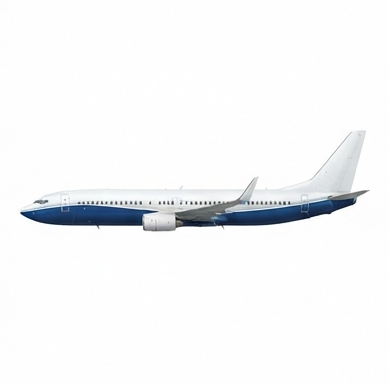
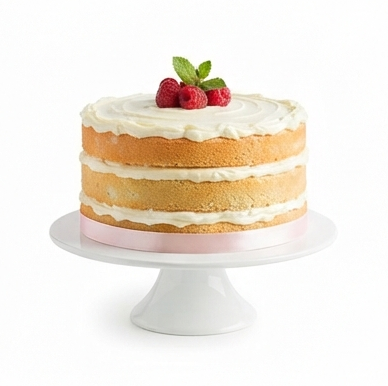
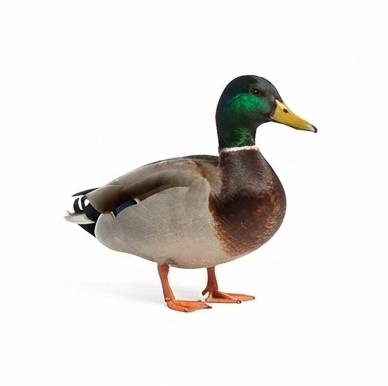
Each box shows the cursive capital and small letter together, with a picture.
See the words
Below it are three words that start with that letter.
Tap to hear it
Tap any word to see its picture and hear it spoken out loud.
Practice daily
A little practice every day helps all 26 letters stick.
Aa to Zz with Example Words
 Aa
Aa
 Bb
Bb
 Cc
Cc
 Dd
Dd
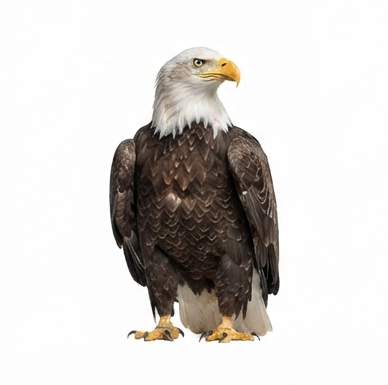 Ee
Ee
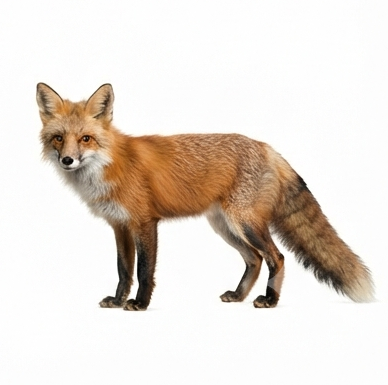 Ff
Ff
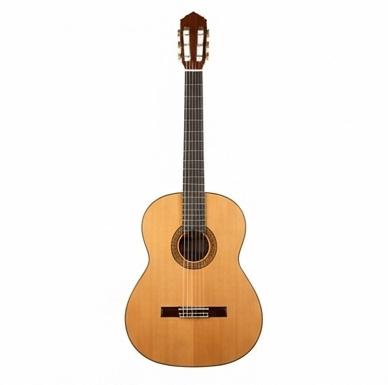 Gg
Gg
 Hh
Hh
 Ii
Ii
 Jj
Jj
 Kk
Kk
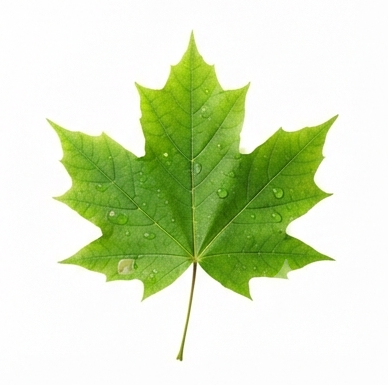 Ll
Ll
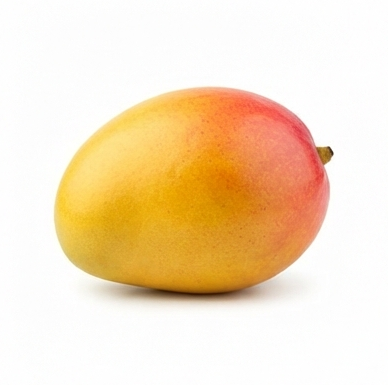 Mm
Mm
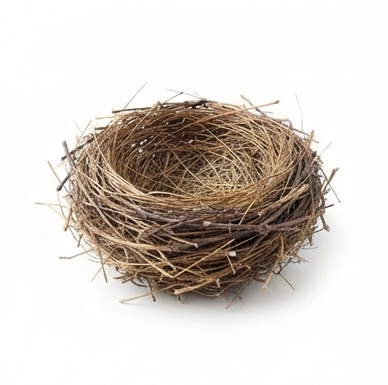 Nn
Nn
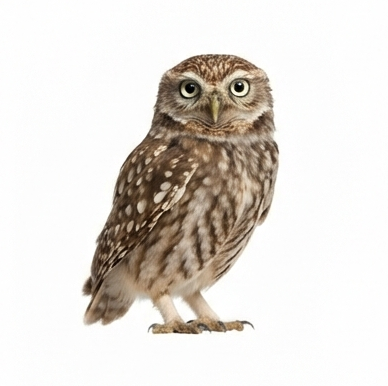 Oo
Oo
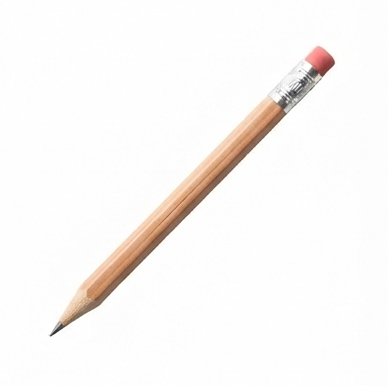 Pp
Pp
 Qq
Qq
 Rr
Rr
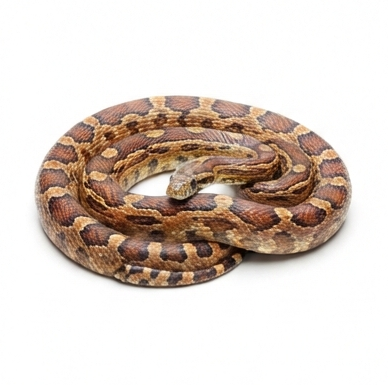 Ss
Ss
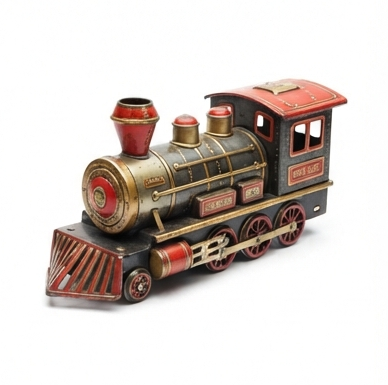 Tt
Tt
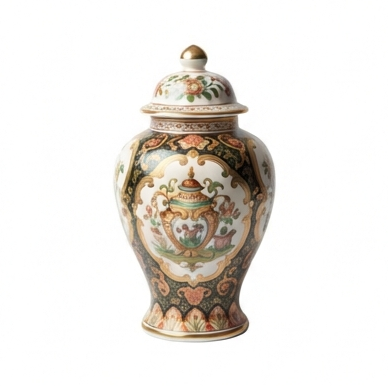 Uu
Uu
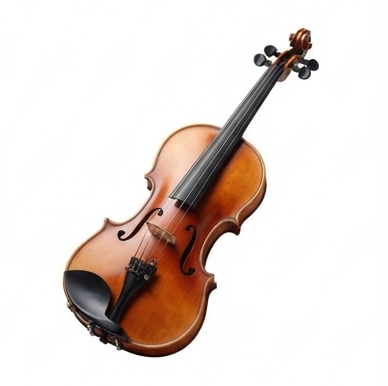 Vv
Vv
 Ww
Ww
 Xx
Xx
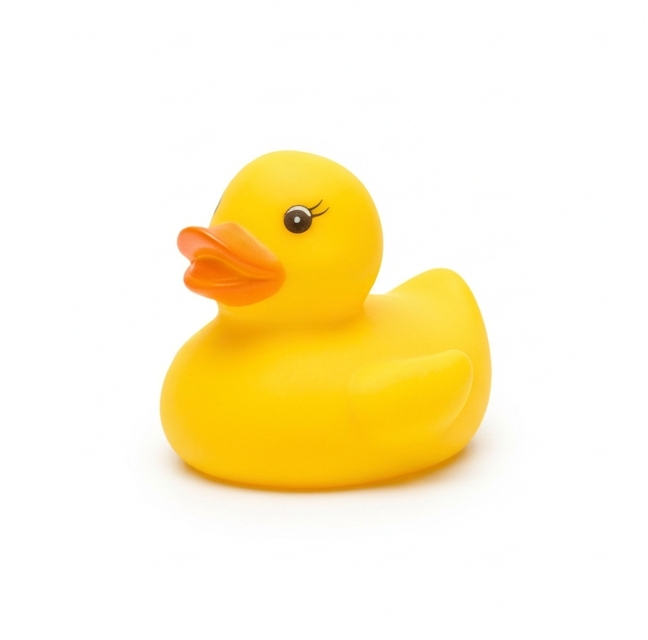 Yy
Yy
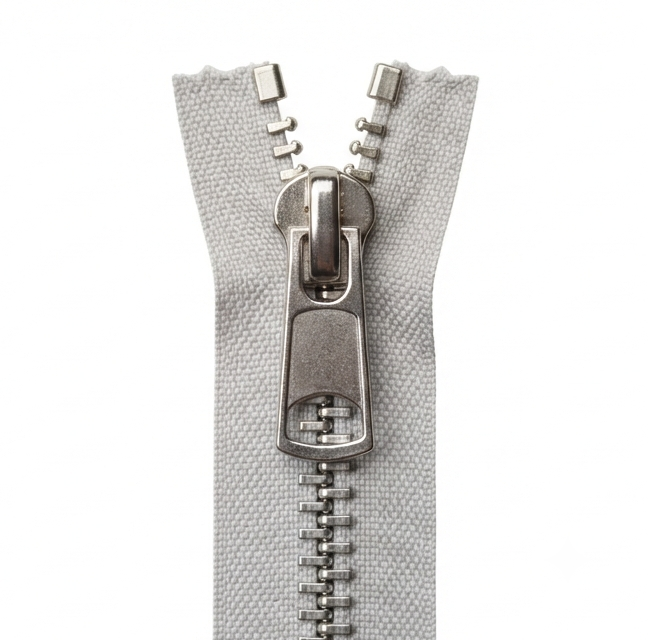 Zz
Zz
Cursive handwriting is usually introduced once a child is already comfortable recognising and writing capital and small letters in print. Learning to see the capital and small cursive forms together helps children understand how the two connect visually, which makes actual handwriting practice much easier later on.
As with the other letter pages, every letter here comes with three different example words, each with its own picture and spoken pronunciation, helping children connect the same letter to different sounds and contexts while they get used to its cursive shape.
Frequently Asked Questions
At what age should kids start learning cursive writing?
Most children begin learning cursive writing around age 6 to 7, once they are confident with print capital and small letters.
Why should kids learn cursive if they already know print letters?
Cursive writing helps develop fine motor control and hand fluency, and many schools still expect children to read and write cursive for schoolwork and signatures.
What is the easiest way to introduce cursive letters?
Seeing the capital and small cursive letter together, alongside a familiar picture and word, helps children connect the new cursive shape to something they already know.
Should cursive be taught before or after small letters?
Cursive is usually taught after a child is already comfortable with both capital and small print letters, since it builds on that existing letter knowledge.