
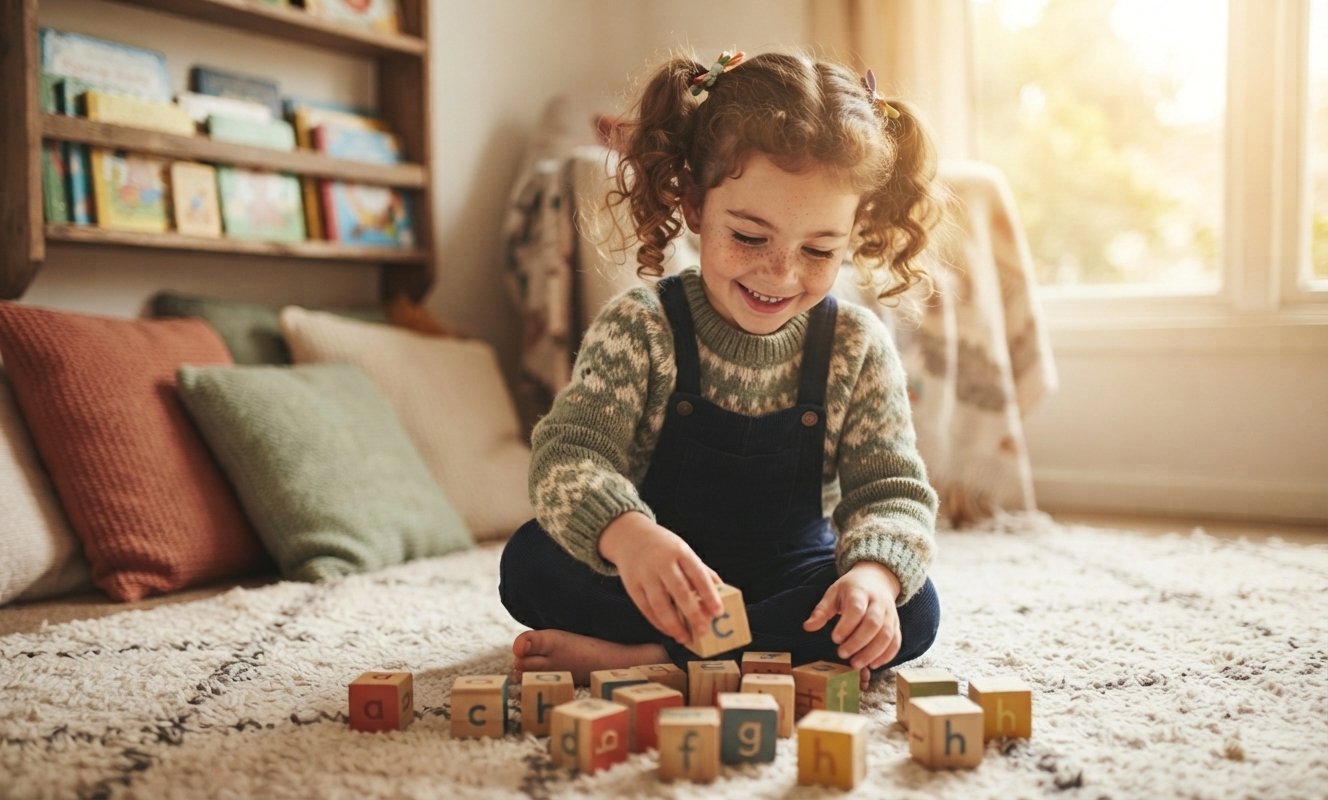
Master Your abc's: Small Letters a-z!
The letters you'll use every single day
Small letters look quite different from their capital versions, which can be tricky for young learners at first. On this page, every letter from a to z comes with a picture, a spoken example word, and a simple spelling, so children can recognise and remember each one with confidence.
How to Learn
Look at the letter
Each box shows one small letter with a picture.
See the words
Below it are three words that start with that letter.
Tap to hear it
Tap any word to see its picture and hear it spoken out loud.
Practice daily
A little practice every day helps all 26 letters stick.
a to z with Example Words
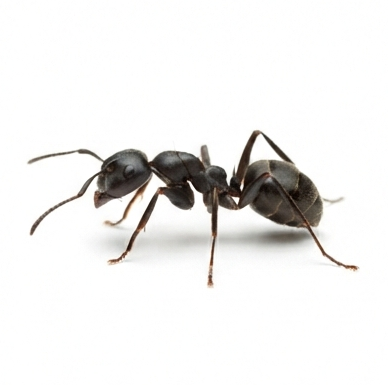 a
a
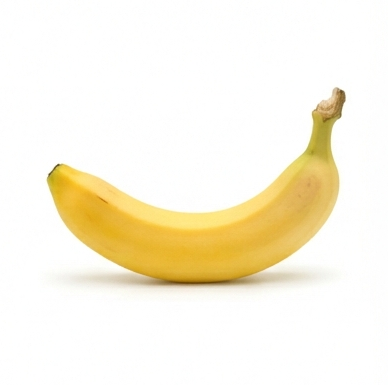 b
b
 c
c
 d
d
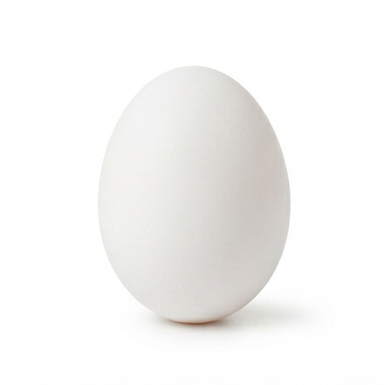 e
e
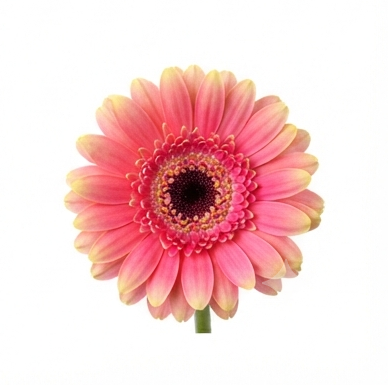 f
f
 g
g
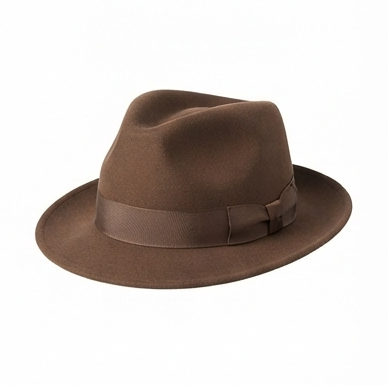 h
h
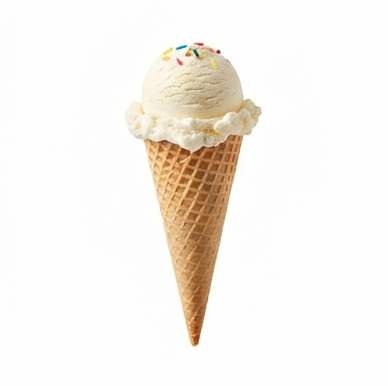 i
i
 j
j
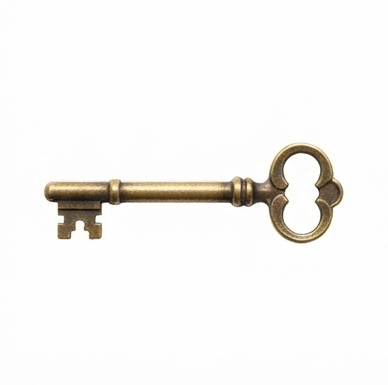 k
k
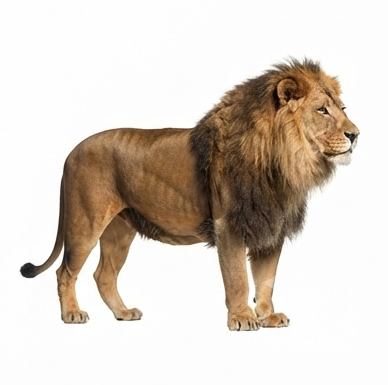 l
l
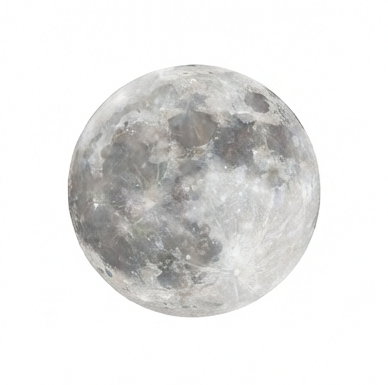 m
m
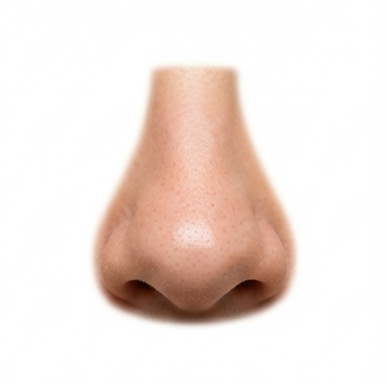 n
n
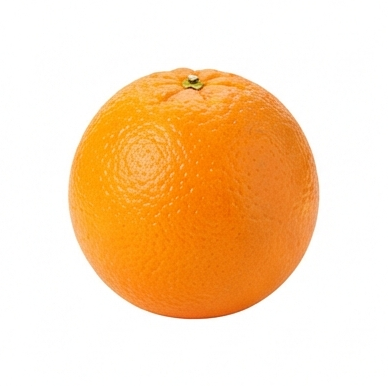 o
o
 p
p
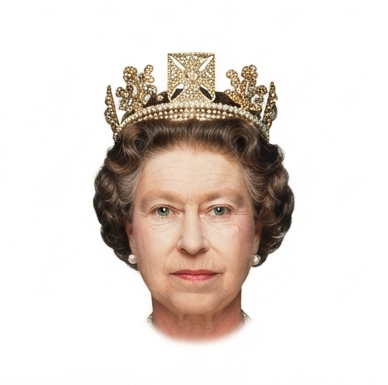 q
q
 r
r
 s
s
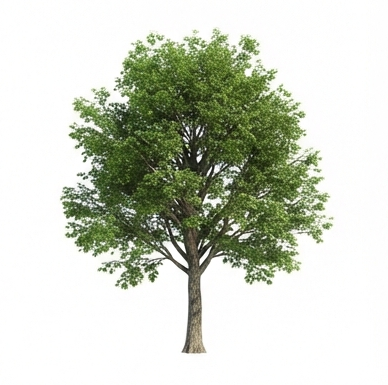 t
t
 u
u
 v
v
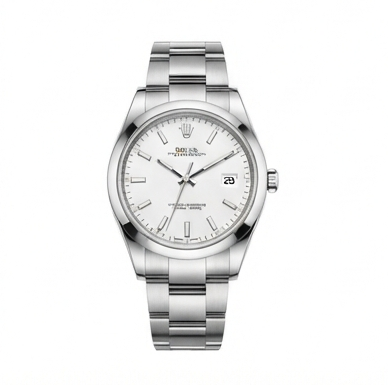 w
w
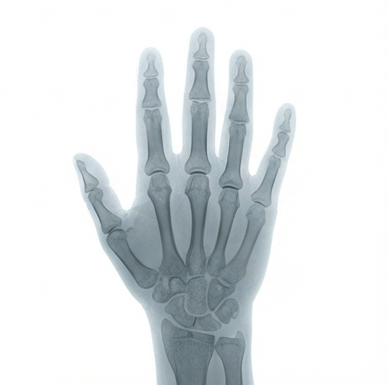 x
x
 y
y
 z
z
Learning small letters is the natural next step once a child is comfortable with capital letters. Small letters are used far more often in everyday reading, since most words are written in lowercase - which is exactly why recognising them quickly and confidently matters so much.
Just like with capital letters, the key here is repetition paired with sound and meaning. Every letter on this page comes with three different example words, each with its own picture and spoken pronunciation, giving children several chances to connect the same letter to different sounds and contexts.
Frequently Asked Questions
When should a child start learning small letters?
Most children start learning small letters soon after they recognise capital letters, usually around age 4 to 5.
Why are small letters harder for kids to learn?
Small letters have more varied and delicate shapes than capital letters, and several look similar to each other, which is why they take a little more practice.
Do kids need to know small letters if they already know capital letters?
Yes - most everyday reading material uses lowercase letters, so knowing small letters is essential for real reading fluency.
How can I help my child tell similar small letters apart, like b and d?
Pairing each letter with a consistent picture and word, and practising a little every day, helps children build a reliable visual memory for each letter.